Overview
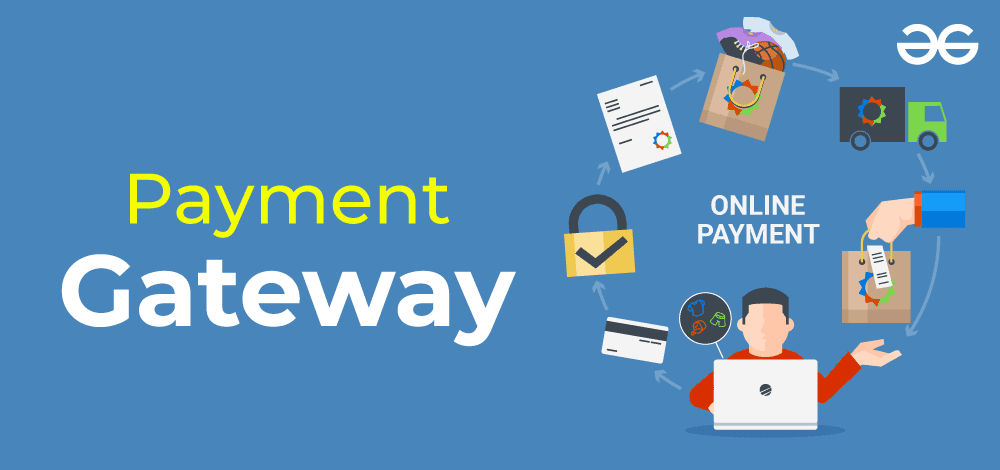
High-Level Flow
- User enters payment details (card, UPI, etc.)
- Request is sent to the payment gateway
- Gateway forwards request to payment processor
- Bank verifies and approves/rejects transaction
- Response is returned to your application
Key Components
1. Client (Frontend)
- Collects payment details
- Sends request to backend or gateway SDK
2. Backend Server
- Creates payment orders
- Verifies transactions
- Ensures security
3. Payment Gateway
- Handles encryption and routing
- Communicates with banking networks
4. Bank / Payment Network
- Verifies funds
- Approves or rejects transaction
Integration Approaches
1. Hosted Checkout (Recommended)
- Easy to integrate
- Secure (PCI handled by gateway)
- Less control over UI
2. Embedded SDK
- Better UI control
- Still secure
- Slightly more complex
3. Custom Integration
- Full control
- Requires PCI compliance
- High complexity
Typical Integration Flow (Backend)
Step 1 — Create Order
Ts