BlogJanuary 2, 2025How RAM Actually Works
This article is part of the Vaibhav Jha technical writing series on backend systems, software architecture, and core computer science topics explained with practical developer context.
- Much faster than SSD/HDD
- Allows quick read/write operations
- Reduces overall system latency
RAM stores data in small units called memory cells, each identified by a unique address.
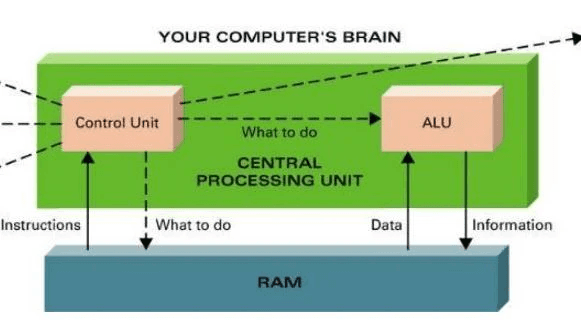
- CPU sends a memory address
- RAM retrieves data from that location
- Data is sent back to CPU
This happens extremely fast, typically in nanoseconds.
Modern systems use a layered memory model:
- Registers → fastest, inside CPU
- Cache (L1, L2, L3) → very fast, small size
- RAM → larger, slightly slower
- Storage (SSD/HDD) → large, but slow
The closer memory is to the CPU, the faster it is.
Time taken to access data from memory. Lower latency = faster system.
Amount of data that can be transferred per second.
Frequently used data is stored in cache to reduce RAM access time.
- Most common type
- Needs constant refreshing
- Used as main system memory
- Faster and more expensive
- Used in CPU cache
- Balancing speed vs cost
- Reducing latency
- Efficient memory management
- Handling large-scale applications
RAM directly affects:
- Application performance
- Multitasking capability
- System responsiveness
Insufficient RAM leads to:
- Frequent disk access (slow)
- System lag
- Poor performance
RAM is a critical component that enables fast computation by bridging the speed gap between CPU and storage.
Understanding how RAM works helps in:
- Writing efficient programs
- Designing scalable systems
- Optimizing performance